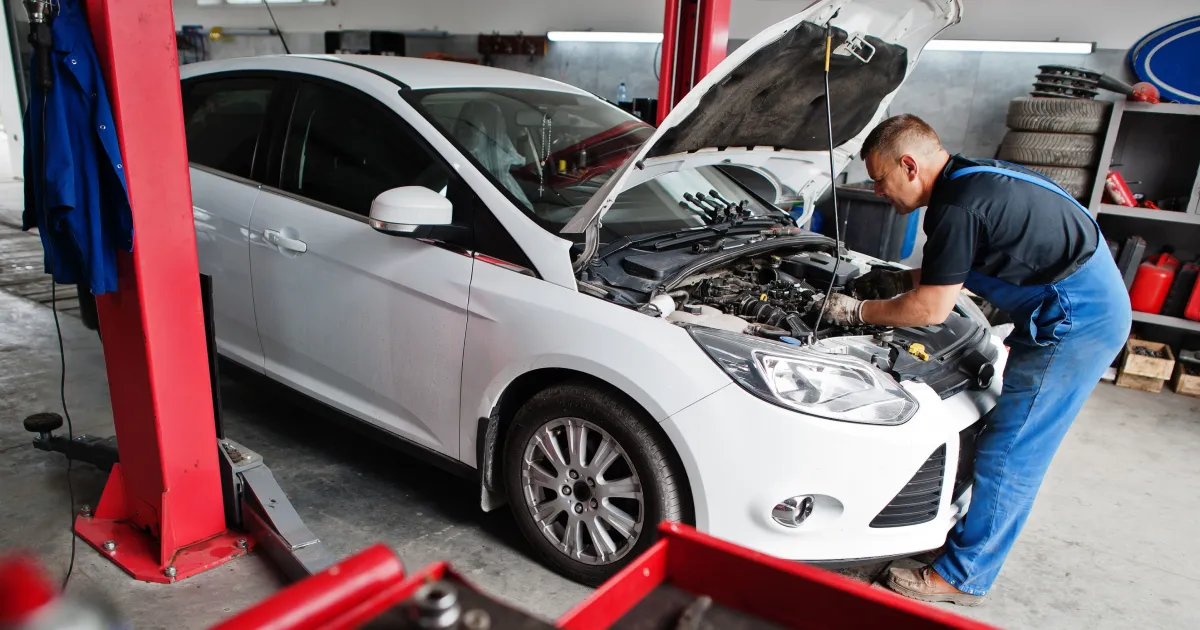
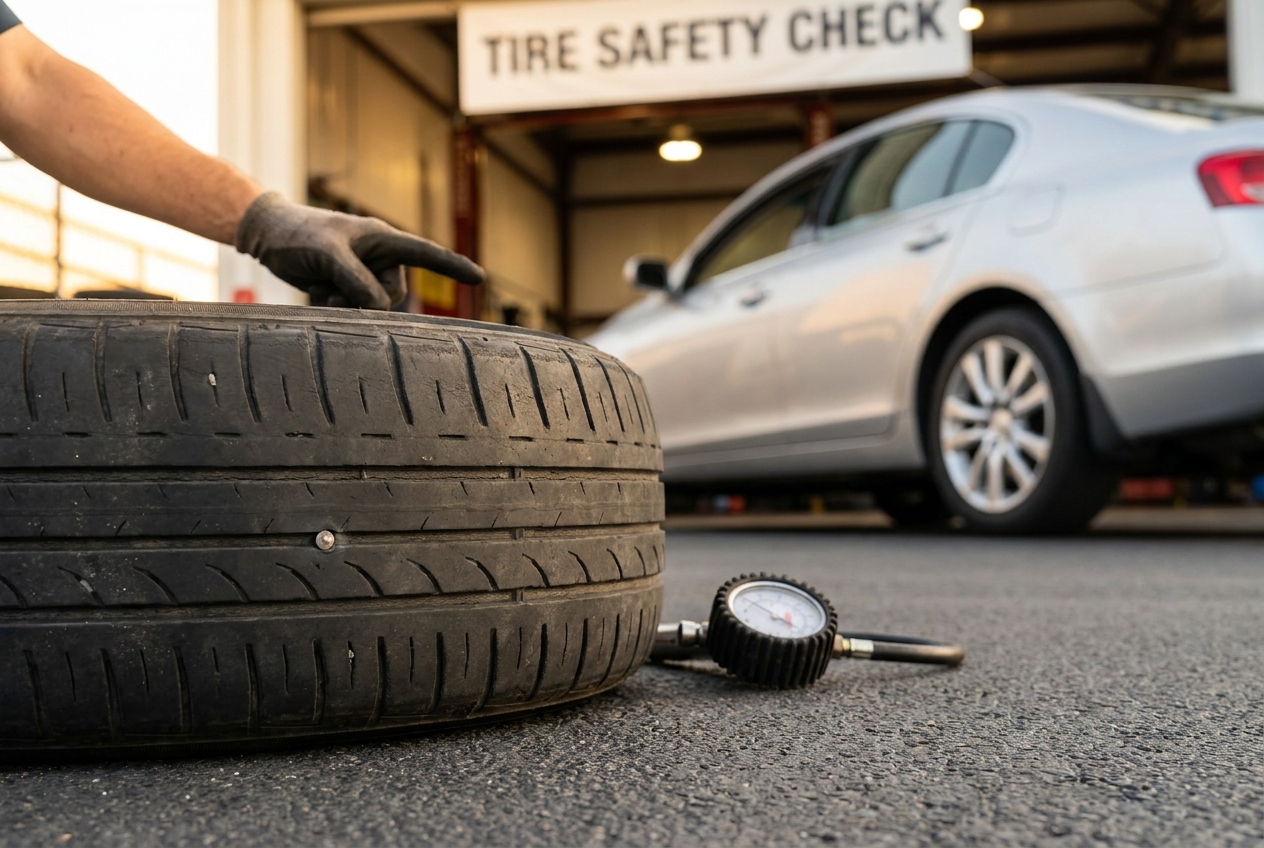
Everyone hopes their car will simply keep running. You change the oil, fill the gas tank, and expect it to get you where you need to go. Most of the time, that's exactly what happens. But every vehicle reaches a point where it starts asking for a little attention.
The tricky part is that cars rarely shout. They whisper.
It might be a sound you have never heard before like a steering wheel that does not feel quite rightm or a small spot on the driveway that was not there yesterday. None of these things seem urgent on their own, which is exactly why they are so easy to ignore.
At Alaska Professional Auto, we have seen it happen countless times. A customer comes in thinking they have a minor issue, only to discover it became much more expensive because it was put off for a few months. Not because they didn't care but because life got busy.
Living in Anchorage does not make things any easier on your vehicle. Long winters, freezing mornings, rough roads, and sudden temperature changes all take a toll. That is why paying attention to the early warning signs can make a real difference.
Here are five that deserve your attention.
Every vehicle has its own personality. After driving the same car for months or years, you know what it normally sounds like. That is why unusual noises are often the first clue that something has changed.
A squeal when you brake. A clunk after hitting a pothole. A humming sound that seems louder on the highway.
It is easy to tell yourself you'll deal with it next weekend. The problem is that mechanical parts do not heal with time and worn brake pads continue wearing down. Loose suspension components put extra stress on nearby parts. What begins as a relatively small repair can gradually affect other systems if it's ignored.
If your vehicle has started making a sound you have never noticed before, it is worth having someone take a look.
Most warning lights do not appear without a reason.
The check engine light is probably the one drivers ignore most often because the vehicle usually keeps running. But modern vehicles are designed to alert you before a problem becomes serious. The same goes for battery warnings, oil pressure lights, brake system alerts, and temperature warnings.
Think of these lights as an early conversation rather than an emergency. The sooner a technician can diagnose the issue, the more likely it is that the repair will stay manageable.
Not every problem makes a sound. Sometimes your vehicle simply feels... different.
Maybe the steering wheel pulls slightly to one side. Maybe the brakes need a little more pressure than they used to. Perhaps the ride feels rougher on roads you've driven hundreds of times before. Drivers notice these changes because they're familiar with their own vehicles.
In Anchorage, uneven pavement, frost heaves, gravel roads, and winter driving can gradually affect suspension and alignment components. These issues begin small and subtly before becoming much more noticeable. If something feels off, always trust your instincts.
A few drops of fluid may not seem like much. Many people wipe them away and promise themselves they will check it later.
What is to be noted is that vehicles rely on several fluids to keep important systems working properly. There are engine oils, coolants, brake fluid, transmission fluid and power steering fluid, all of which have specific jobs. Even a slow leak can create a much larger repair if not handled on time. The freezing temperatures of Alaska can also cause seals and rubber hoses to become brittle, making leaks more common than many realise. A quick inspection today is easier than dealing with an overheated damaged transmission later.
Sometimes the biggest warning sign is not a noise or a light. It is the calendar. If you cannot remember the last time your vehicle had a professional inspection, there is a good chance something has started wearing before you have noticed it.
Routine maintenance is not only about changing oil. It is also about spotting problems while they are still inexpensive to fix. Worn belts, aging batteries, uneven tire wear, brake components, and suspension parts often show signs of trouble long before they fail. That is especially important in Alaska, where cold weather puts every part of your vehicle under a little more stress. Preventive maintenance almost always costs less than emergency repairs.
One of the biggest misconceptions about vehicle ownership is that if the car still drives, everything must be fine. Unfortunately, that is not how mechanical systems work.
Vehicles usually give plenty of warning before something fails completely. Ignoring those signs does not make the problem disappear, it simply gives it more time to become complicated.
Replacing brake pads is far less expensive than replacing damaged rotors. Fixing a small coolant leak costs much less than repairing an overheated engine so when you can catch an alignment issue early, it can prevent premature tire replacement. Hence, timing matters.
At Alaska Professional Auto, we believe in honest conversation as the first step to repair. If your vehicle needs immediate attention, we will explain why. If it can safely wait, we will tell you that too. Our goal is not to recommend repairs you do not need, it is to help you avoid the expensive ones you could have prevented. No matter what you have noticed- a warning light or a new sound, our experienced team is here to help. If you are looking for dependable auto repair in Anchorage, AK, get in touch with us now.
A quick inspection can save it all- time, money and unnecessary stress down the road.
Vehicles rarely fail without warning; they usually signal issues through subtle noises, dashboard lights, changes in handling, fluid leaks, or skipped maintenance. In harsh driving conditions like Anchorage, Alaska, ignoring these early warnings turns simple, low-cost maintenance into major, expensive repairs. Catching small issues early with routine inspections preserves your vehicle's reliability and saves money.